An ethnographic study on world-weariness and future imaginaries and a political reflection on the transformative power of hope as a practice of resistance.
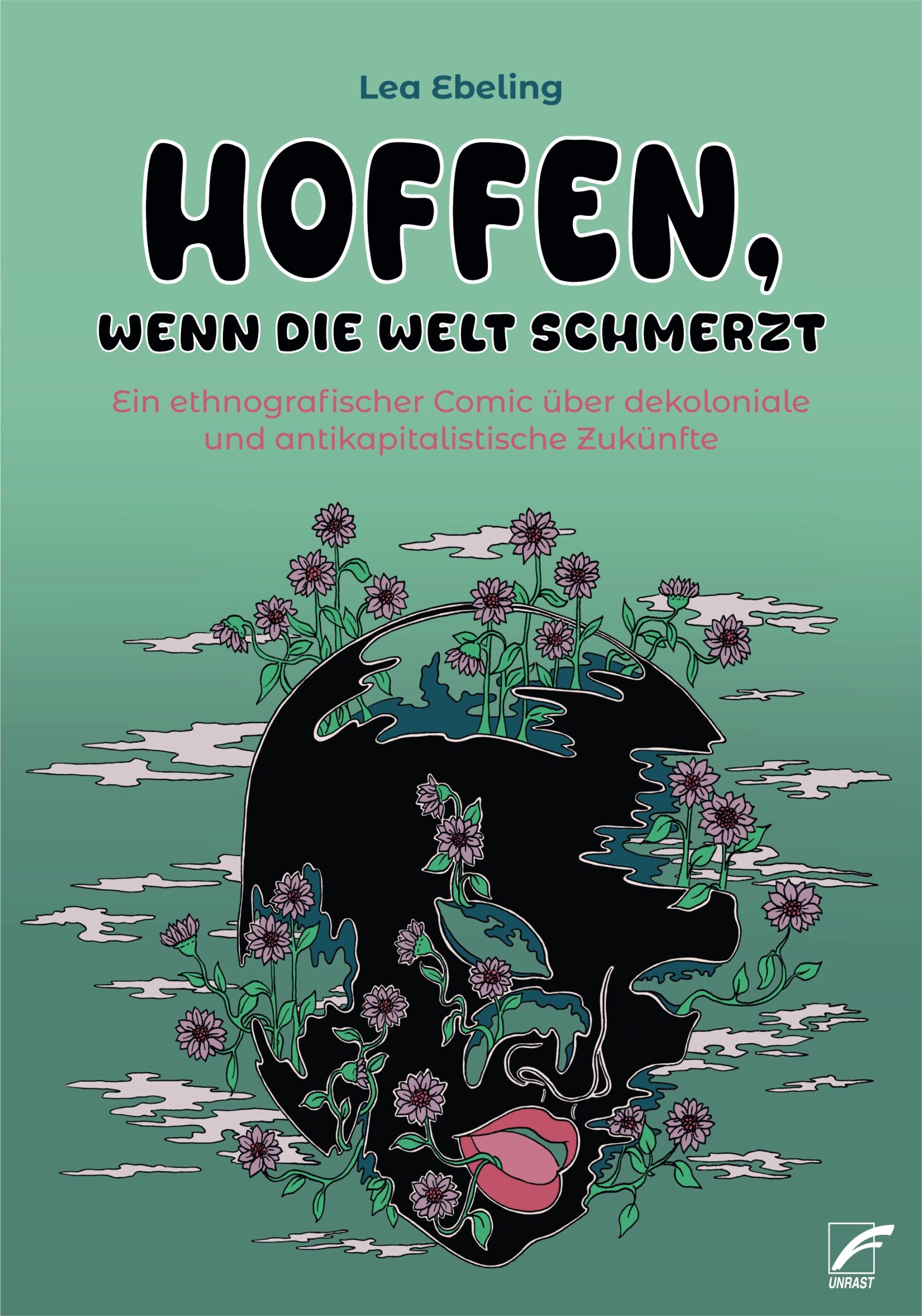
In a world shaken by multiple crises where social protests and demands for peace and justice are often drowned in violence or cynicism, the protagonist, Leo, embarks on a quest for hope. How is it produced, and how can we maintain it in a world in which it has become easier to imagine the end of the world than the end of capitalism? Leo interviews activists about their wishes for the future. What's it like to live in a world without borders or private property? A society without hierarchies and inequality? A world of shared resources and communitarian ways of ownership? How would it change our perspective on ourselves in the world if everything belonged to everyone? What does it feel like to live in a world without sexism, gender norms, and discrimination, and what does a green and sustainable future look like for the planet?
Based on an ethnographic study, the story follows Leo on an intellectual, empirical, and emotional journey through society and its imaginary worlds, researching the connections between imagination, ideology, and political change, resisting at zeitgeist caught up somewhere between capitalist realism and world-weariness. Throughout the story, actual events and experiences become visually intertwined with theoretical considerations and the collected future imaginaries. Multifarious stories about what better worlds could look like and what it would feel like to live in such a world. A book that creates hope for better futures.